

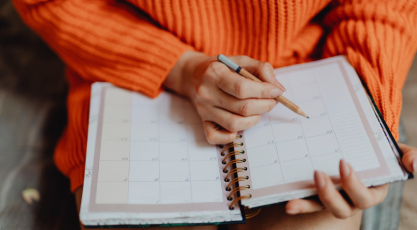

If you’re like me – and 60% of women – you use an app to keep track of your menstrual cycle. Early in my teen years, I decided to stop trying to guesstimate when my period would start and began tracking it digitally. And it was great. My app was pretty accurate, I had more clarity about when I would get my period and it was much easier to get reminders from an app than to count days on a calendar. I began tracking my symptoms too: the excessive cramping and mood swings that I was struggling with. Fast forward 8 years … and I was still using the same app, but I was still tracking the same painful symptoms.
I started to wonder if my 1st day, level 10, period cramps would ever subside and if the debilitating PMS mood swings would continue to plague a week of each month until – at long last – menopause. Around the same time that I began dreaming of menopause (at the ripe age of 21), I also started researching how my beloved cycle tracking app worked. This is when I realized most apps assume a 28 day cycle. While they can often predict your period, tracking ovulation based on a generalized algorithm and not a woman’s unique biology and cycle is simply silly. This brought up a lot of questions for me, questions which my app could not answer, because it was, of course, just an app. That’s when I heard about ZoeCare Sexual Health and Pregnancy Clinic here in Bozeman.
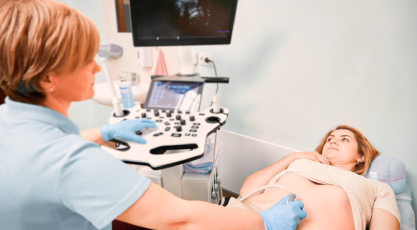
ZoeCare offers valuable women’s healthcare for free AND they had a personal cycle tracking program taught by actual medical professionals. I made an appointment right away. I had questions my app couldn’t answer and symptoms that were hard to understand; maybe someone could finally help me make sense of this all.
At my first appointment, I filled out a questionnaire about my cycle and symptoms, then sat down with my nurse. What stood out to me wasn’t just the education I received — it was how the nurse listened. She asked about my life, my experience, me as a whole person. I wasn’t just another appointment on her schedule.
I returned once a month for the next few months as she walked me through the FEMM program. I learned how my hormones shift throughout my cycle – not just at ovulation or menstruation, but every single day. My body is constantly changing and always sending me signals. I’d just never learned how to interpret them.
The breakthrough came when I realized my cramps and mood swings weren’t flaws or inconveniences. They were signs. My body was telling me to slow down, to stop trying to operate at the same pace every day of my cycle. Once I chose to listen, my life began to change. I learned to work with my body instead of against it. I adjusted my schedule during the luteal phase when my energy naturally dips. I gave myself permission to rest when my body asked for it. I ate more. I stopped seeing my cycle as something to power through and started seeing it as valuable information about my body and how I’m treating it.
Here’s what I wish someone had told 12-year-old me getting my first period at school and 21-year-old me, dreaming of menopause: Your cycle isn’t the enemy. Debilitating symptoms that make it hard to function aren’t “just part of being a woman.” You deserve answers to your questions and a medical professional who will listen to you, teach you, and help you interpret what your body is saying to you. It’s something I believe all women should have access to.
Apps are convenient – I still use mine. But an app can’t teach you about your unique cycle and hormones. It can’t answer your questions. Your cycle is a vital sign of your overall health. If you want to fully understand what’s happening in your body every day, ZoeCare’s CycleWise cycle tracking program is completely free. One-on-one education with a FEMM-certified medical professional who will help you learn the language your body is already speaking.
Sources :